A standard wooden pencil is designed for gradual use and eventual disposal. With each sharpening, it becomes shorter until it can no longer be comfortably held. In contrast, a mechanical pencil is built for longevity.
Since graphite is refillable, the pencil's body remains intact for years. The writing experience stays consistent: no reshaping, no uneven tips, no material waste. Simply replace the lead and continue writing. The result is a pencil that stays as reliable on day one thousand as it did on day one.
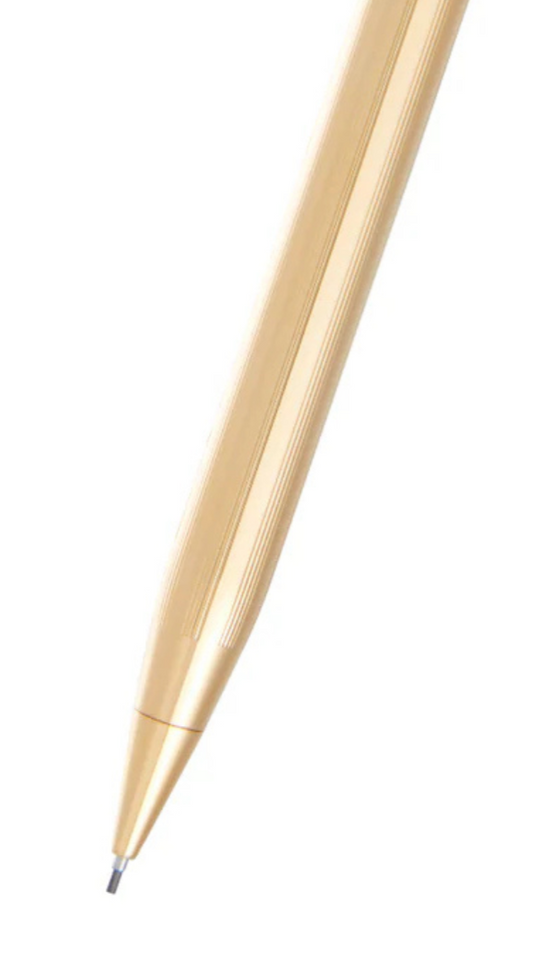
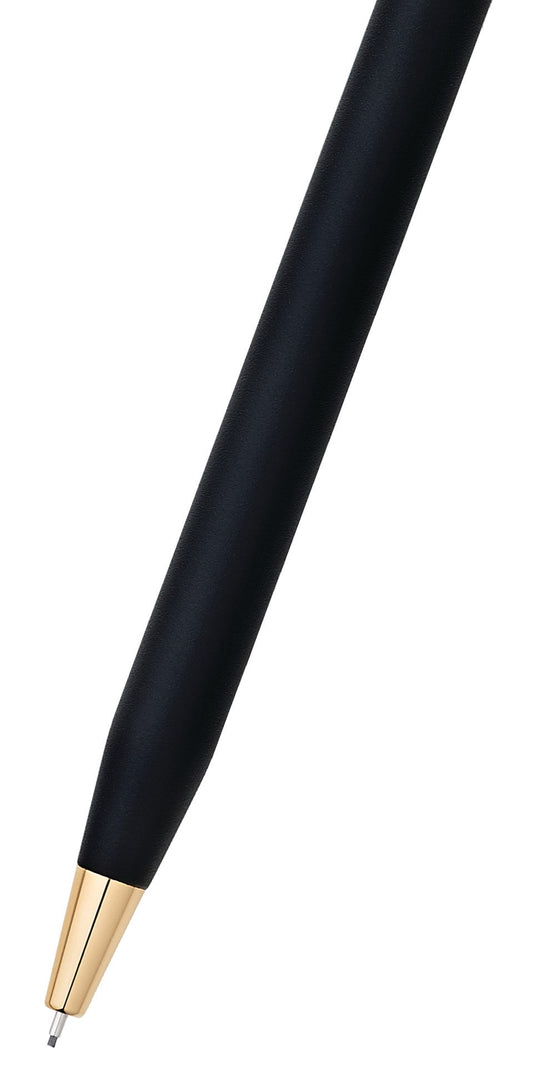
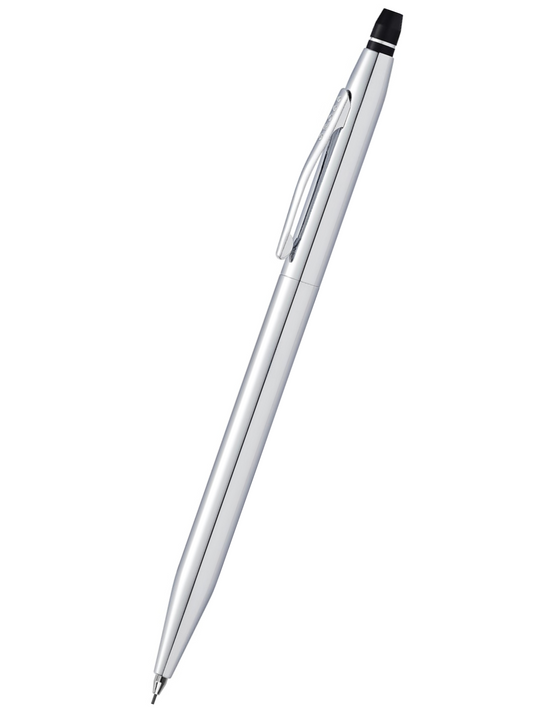
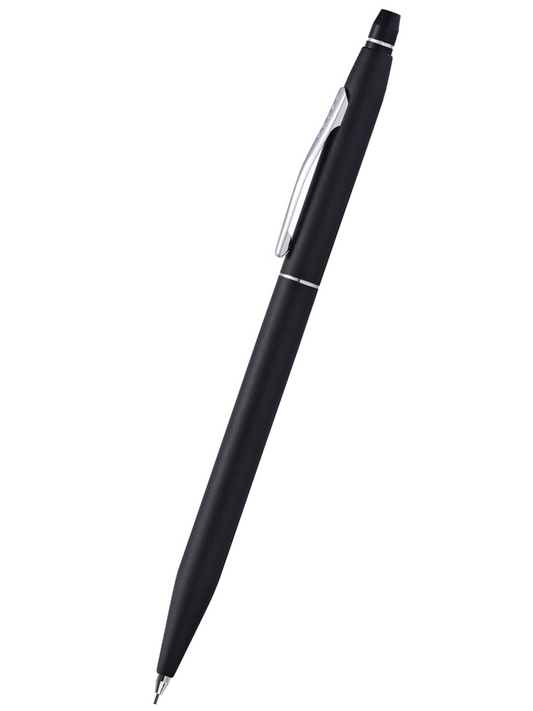
The lifespan of a mechanical pencil depends largely on its construction. For example, a thoughtfully engineered metal barrel offers strength, stability, and resistance to everyday wear. When properly cared for, it can remain part of your daily routine indefinitely.
At Cross, our commitment to craftsmanship ensures that each mechanical pencil is designed for sustained performance. Rather than replacing the entire pencil, you simply replenish the graphite. The result is a refined lead pencil solution that prioritizes durability, consistency, and long-term value.
Tips For Keeping Your Mechanical Pencil In Pristine Condition
Mechanical pencils are designed to be low-maintenance, especially compared to traditional wooden pencils that require frequent sharpening. However, a few simple habits can ensure consistent performance.
Refilling the graphite when needed keeps the writing smooth and uninterrupted. Most mechanical pencils also include a small eraser, which can be replaced once worn down. Keeping the tip clean and avoiding excessive pressure while writing helps prevent lead breakage.
Because a mechanical pencil contains a precision advancement mechanism, it benefits from gentle handling. There is no need for complex care, just thoughtful use. A quality metal pencil body further protects the internal components, supporting dependable performance over time.
At Cross, we design our mechanical pencils to deliver reliable everyday writing with minimal upkeep. With refillable graphite and durable construction, maintenance becomes simple and infrequent. The result is a lead pencil experience that feels effortless, ready whenever inspiration or work calls for it.
Mechanical Pencils For Everyday Writing
A mechanical pencil offers advantages that often make it a strong alternative to a pen, depending on personal preference and purpose. Unlike ink, graphite is erasable, making it ideal for planning, drafting, note-taking, or situations where adjustments are common.
The consistent fine tip of a mechanical pencil allows for precise lines and controlled handwriting. For students, professionals, and creatives alike, this flexibility can feel more forgiving and versatile than ink. There are no smudged cartridges or drying issues just smooth graphite ready to write.
While pens provide permanence, a lead pencil offers adaptability. Many individuals choose to carry both, switching depending on the task. For those who appreciate refinement, pairing tools from our collection of mechanical pencils ensures the same level of craftsmanship found across our writing portfolio. Ultimately, whether replacing or complementing a pen, a well-crafted mechanical pencil provides a polished, practical everyday writing experience.
Why Mechanical Pencils Are A Sustainable Alternative
Mechanical pencils can be a more sustainable option because they are designed to be refilled and reused for years. A traditional wooden lead pencil becomes smaller with each sharpening and eventually must be discarded. This cycle creates ongoing waste and repeated replacement.
In contrast, a mechanical pencil maintains its full length and structure over time. Only the graphite and eraser need replacing, reducing the amount of material sent to landfill. Because the body is built to last, fewer pencils are consumed overall.
A well-made metal pencil can remain in use for decades, which supports a more thoughtful approach to everyday writing. Instead of treating pencils as disposable supplies, mechanical pencils encourage long-term ownership. A refillable lead pencil supports consistency, reduces waste, and provides a more refined writing experience—all while promoting a longer product life cycle.